
Operations
Managing Fiber Build Expenses with Business Intelligence Reporting
Learn how to manage expenses for a new fiber build and stay within budget by leveraging business intelligence reporting.
Taneil Currie, Former Senior Manager, Growth Marketing
January 18, 2023 · 5 MIN · UPD JUN 16, 2026
To keep a new fiber build on budget, ISPs should prioritize the most vital components of the build, negotiate favorable pricing with vendors and contractors, and use business intelligence (BI) reporting to monitor costs in real time. Continuous, data-driven cost tracking is what prevents small overruns from becoming major budget problems.
When deploying a new fiber network or upgrading an existing one, managing expenses carefully is key to ensuring the project stays within budget. To prevent potential cost overruns, it is important to identify and prioritize the most vital components of the build, negotiate favorable pricing with vendors and contractors, and continuously monitor costs throughout the project.
Expanding your network and deploying fiber for a new build is a major undertaking, and expense tracking is vital because it allows project managers and stakeholders to monitor the project's financial status and ensure that it stays within budget. By keeping track of expenses, project managers can identify and address any cost overruns early, which can help to prevent them from becoming major issues later on. Additionally, expense tracking can ensure that all expenses are properly documented and accounted for, which is critical for auditing and compliance purposes.
Business intelligence (BI) reporting is a powerful tool that can help Internet Service Providers track and manage expenses. By leveraging BI reporting, ISPs can gain valuable insights into their spending patterns, identify areas of waste or inefficiency, and make data-driven decisions to reduce costs and improve overall financial performance.
When deploying a new fiber network, you can leverage business intelligence software to extract insights from disparate datasets, provide analytical capabilities, and connect all departments of an organization.
The insights gained can give you a better picture in several ways:
Budgeting and forecasting for the fiber build
Business intelligence tools can help you set up budgeting and forecasting capabilities, allowing you to project future expenses and compare them to your actual expenses. Business intelligence tools can help you identify areas where you may be over budget and take corrective action.
Real-time expense tracking during deployment
Many business intelligence tools offer real-time expense tracking to see exactly where your money goes as you deploy your fiber network. Identify any unexpected expenses or potential cost savings opportunities with business intelligence.
Analyze historical cost data
Business intelligence software can help you analyze historical data to identify trends and patterns in your expenses. Make more informed decisions about future expenses and help you identify cost-saving opportunities.
Reports and dashboards for cost visibility
Business intelligence tools can generate reports and dashboards that provide a clear and concise overview of your expenses and help you better understand where to allocate resources. Generally, the larger the job, the more data there is, and the higher the risk of unplanned expenses. Using business intelligence can increase efficiency and profits.
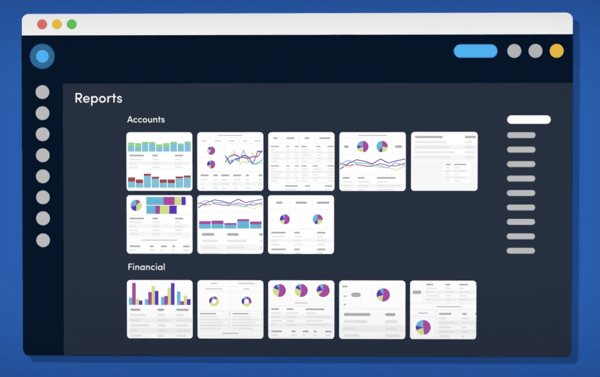
There are various business intelligence reports that can help manage expenses efficiently for a new fiber build. Here are some samples of reports that could be used to track and manage expenses:
Cost Analysis Report: This report provides an overview of the budget for the fiber build, including actual costs incurred to date and forecasted costs for the remainder of the project.
Cost breakdown: This report shows the costs associated with different elements of a fiber build, such as labor, materials, and equipment. It can help managers identify areas where costs are higher than expected and make adjustments accordingly.
Budget vs. actual spending: This report compares the budgeted costs for the fiber build to the actual costs incurred, allowing project managers to identify and address any discrepancies.
Vendor performance: This report tracks the performance of different vendors and suppliers, allowing managers to see which vendors provide high-quality goods and services at a fair price and which are not.
Change order analysis: This report tracks the costs associated with change orders (changes made to the original fiber build plan) and can help managers identify patterns in the changes and the associated costs.
Earned value analysis: This report tracks the progress of a project over time and compares it to the budgeted costs. It lets managers quickly identify whether the fiber build is on track to be completed on time and within budget.
Resource Report: This report provides information on the allocation and utilization of resources (e.g., labor, equipment, materials) for the fiber build.
Customer Demand: This report analyzes the feasibility and profitability of new service areas by providing information on customer demand.
Risk Assessment: This report provides an overview of the risks associated with the fiber build project, including potential risks and how they are being mitigated.
Progress Report: This report provides an overview of the progress of the fiber build, including key milestones, tasks completed, and tasks that are currently underway.
Performance metrics: This report tracks key performance metrics such as schedule and cost and can be used to identify trends and patterns and make decisions to improve project performance.
Final thoughts
By leveraging data points specific to your project, you can create a number of valuable reports. Regularly reviewing these types of reports can help you stay informed about the progress and performance of the fiber build so that you can make any necessary adjustments to ensure that the project is on time and within budget.
Using Sonar Software's reporting module you can build custom reports to track expenses, take rates according to the number of homes passed, product adoption trends, and more. Schedule a demo and see how Sonar BI can help you analyze finances objectively and make informed data-driven decisions.
Frequently asked questions
How does business intelligence help manage fiber build expenses?
BI reporting pulls data from disparate datasets so ISPs can see spending patterns, track costs in real time, and make data-driven decisions that reduce waste and keep the project within budget.
Which reports are most useful for tracking fiber deployment costs?
Cost analysis, cost breakdown, budget vs. actual spending, vendor performance, change order analysis, and earned value analysis are among the most useful for keeping a fiber build on time and on budget.
Why is expense tracking important on a fiber build?
It lets project managers catch cost overruns early before they become major issues and keeps every expense documented and accounted for, which is critical for auditing and compliance.
Questions, answered.
How can ISPs keep a new fiber build on budget?
ISPs can keep a fiber build on budget by prioritizing the most vital components, negotiating pricing with vendors, and continuously monitoring costs throughout the project. This combination helps spending stay aligned with the plan as the network is deployed.
How does business intelligence reporting help track fiber deployment costs?
Business intelligence reporting helps ISPs spot spending patterns, areas of waste, and cost-saving opportunities. With that visibility, teams can make data-driven decisions about where money goes during a fiber build.
How does real-time expense tracking prevent cost overruns during a fiber deployment?
Real-time expense tracking shows exactly where money goes as the network is deployed, surfacing unexpected costs and savings opportunities. This lets project managers catch cost overruns early, before they become major issues, while keeping spending documented for auditing and compliance.
Which business intelligence reports help control fiber build costs?
Reports such as cost analysis, budget vs. actual, vendor performance, change order analysis, and earned value analysis help managers control fiber build costs. Together they show how planned spending compares to real spending and where adjustments are needed.
See it on the platform
20 minutes wired to your operation.
An ISP-only specialist walks Sonar through your specific use case. No generic deck, no horizontal SaaS pitch.
Book a meeting