Industry insight
How Fiber Internet Helps ISPs Attract and Retain More Customers
Discover how Fiber Internet can be a game-changer for ISPs, empowering them to attract and retain more customers.
Taneil Currie, Former Senior Manager, Growth Marketing
April 29, 2023 · 7 MIN · UPD JUN 16, 2026
Fiber internet helps ISPs attract and retain more customers by delivering gigabit, low-latency, symmetrical speeds with higher reliability than copper DSL or cable - a superior subscriber experience that wins new accounts and reduces churn.
The internet has become an essential part of our daily lives, powering our communication, work, entertainment, and much more. As demand for high-speed internet continues to grow, fiber internet has emerged as a game-changer in internet connectivity.
ISPs are critical in connecting people to the online world, providing the infrastructure and services needed for internet access. However, in today's competitive market, ISPs face numerous challenges in meeting the increasing demands of customers while staying ahead of the technological curve. From delivering faster speeds and lower latency to ensuring reliable connectivity and preparing for future technologies, ISPs constantly strive to provide the best internet experience to their customers.
One of the most promising solutions for ISPs to overcome these challenges is fiber internet. Its cutting-edge technology uses fiber optic cables to transmit data at lightning-fast speeds, with low latency, high reliability, and symmetrical upload and download speeds. These advantages make fiber an attractive option for residential and business customers, offering a superior online experience and future-proofing capabilities. In this blog, we will delve deeper into the definition of fiber internet and its benefits while also exploring the importance of ISPs in the modern digital age and the challenges they face in attracting and retaining customers. So, let's dive in and discover how fiber internet can help ISPs attract and retain customers.
What Is Fiber Internet? How It Works and Why It Beats Copper
Fiber internet has emerged as a revolutionary advancement in the realm of internet connectivity. Unlike traditional broadband options such as DSL or cable, which use copper wires, fiber internet utilizes fiber optic cables to transmit data at lightning-fast speeds. Fiber optic cables are made of strands of glass or plastic fibers that transmit data using light signals, an advanced technology that offers numerous advantages over traditional broadband options.
Fiber internet sends data through light signals across the glass or plastic fibers of the optic cables. These fibers can carry a significant amount of data over long distances without losing signal quality, resulting in faster and more reliable internet speeds. This technology enables fiber internet to provide a more advanced online experience compared to traditional broadband options.
One of the key advantages of fiber internet over traditional broadband is its speed. Fiber internet can offer gigabit (or even higher) speeds for both uploads and downloads, enabling lightning-fast web browsing, smoother streaming of high-definition videos, and quicker uploads and downloads of large files. In comparison, traditional broadband options may suffer from signal degradation and slower speeds due to the limitations of copper wires.
Fiber internet is renowned for its exceptional speed and reliability. As mentioned earlier, fiber can deliver significantly higher speeds than traditional broadband options. This means faster downloads, quicker uploads, and low latency, resulting in minimal delays or lags - making it ideal for real-time applications such as online gaming and video conferencing.
Moreover, fiber internet is highly reliable. Fiber optic cables are less susceptible to interference and signal degradation than copper wires, ensuring a consistent and stable internet connection. This makes fiber a reliable option for businesses and households alike, providing uninterrupted connectivity for critical online activities and reducing downtime.
Fiber internet also provides symmetrical upload and download speeds, which is particularly important for applications that require uploading large files or streaming content. This ensures a balanced and consistent internet experience, regardless of the type of online activity. The future-proofing capabilities of fiber internet make it an ideal choice for businesses and households that anticipate growing bandwidth needs in the coming years.
Attracting Customers With Fiber Internet: Marketing Strategies for ISPs
Marketing fiber internet services is crucial to attract and retain customers, and ISPs can implement various marketing strategies to promote fiber internet and showcase its benefits to potential customers.
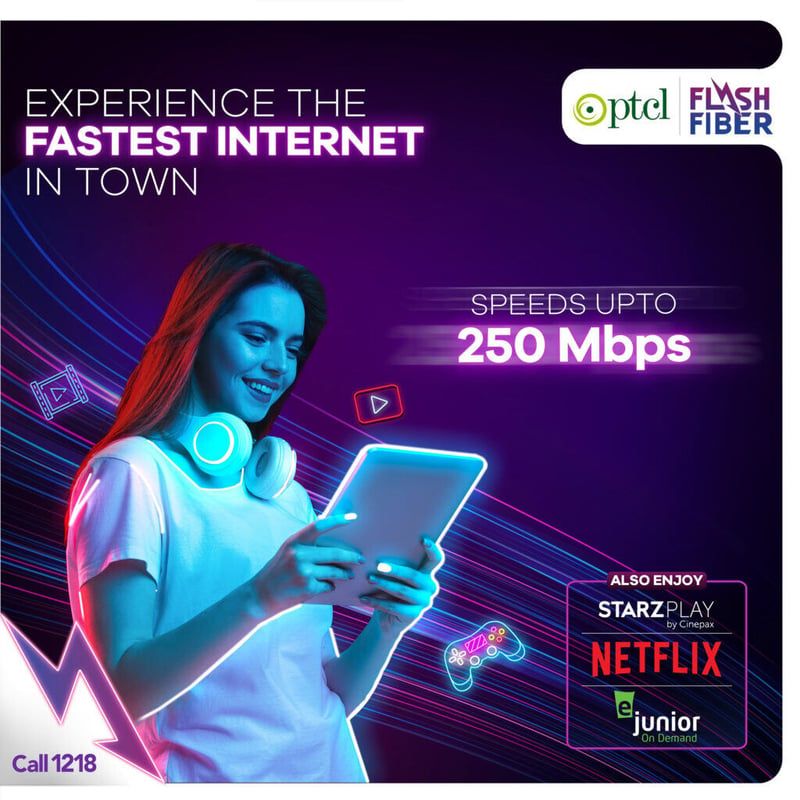
One effective marketing strategy is to leverage the advantages of fiber internet in advertising and promotional campaigns. ISPs can highlight the lightning-fast speeds, low latency, and high reliability of fiber internet in their marketing materials, such as website content, social media posts, and online ads. By emphasizing the superior online experience that fiber internet can provide, ISPs can create a compelling value proposition that resonates with potential customers.
Design by: http://davilastudio.com/
Creating customized fiber internet plans to cater to different customer segments can also be a successful marketing strategy. ISPs can offer tailored plans for residential customers, small businesses, and enterprises, depending on their specific needs and budgets. For example, ISPs can offer different speed tiers or bundle additional services such as TV or phone to create attractive packages that cater to different customer segments. Customized plans help ISPs effectively target and appeal to various customer segments, increasing the chances of attracting new customers.
Showcasing testimonials and success stories of satisfied fiber internet customers can also be a powerful marketing tool. ISPs can collect feedback and testimonials from existing fiber internet customers who are satisfied with the service and share their stories in their marketing materials. This can include case studies, customer testimonials, or video testimonials that highlight the positive impact of fiber internet on their online experience, productivity, or business operations. Such testimonials provide social proof and build trust with potential customers, influencing their decision to choose fiber internet.
Retaining Customers With Fiber Internet: Reducing Churn With Reliability and Support
Attracting customers is only one part of the equation for ISPs; retaining them is equally important. Retaining customers is crucial for ISPs because it helps build customer loyalty, reduces churn, and fosters long-term business relationships. Fiber internet can play a significant role in retaining customers thanks to its superior performance and customer satisfaction.
One of the key strategies to retain customers with fiber internet is to provide reliable and consistent internet service. Fiber internet is known for its high speed and low latency, which ensure smooth and uninterrupted online experiences for customers. ISPs can proactively monitor and manage their fiber network to minimize downtime, outages, and service disruptions. By providing a reliable and consistent connection, ISPs can build trust with their customers, reduce frustrations, and improve customer satisfaction, which can lead to increased customer retention.

Another strategy to retain customers is to provide excellent customer support and service. ISPs can offer responsive and knowledgeable customer support through various channels, such as phone, email, or chat, to promptly address customer inquiries, issues, or complaints. ISPs can also provide self-service options, such as online customer portals or knowledge bases, for customers to troubleshoot common issues on their own. Additionally, ISPs can regularly communicate with customers about service updates, promotions, or new features to keep them engaged and informed. Excellent customer support and service can enhance customer satisfaction, loyalty, and retention.
Furthermore, ISPs can offer value-added services and incentives as part of their fiber internet packages. This can include features such as security services, cloud storage, or premium content, which enhance the overall customer experience and provide additional value beyond just internet connectivity.
Final Thoughts
Fiber internet offers numerous benefits for attracting and retaining customers. With its lightning-fast speeds, low latency, high reliability, and future-proofing capabilities, fiber internet provides a superior online experience for customers, making it a compelling choice for internet service providers.
ISPs must continuously evolve and adapt to changing customer demands, and fiber internet offers the technological advantage to meet those demands. By implementing effective marketing strategies, providing reliable service, delivering excellent customer support, and offering value-added services, ISPs can attract and retain customers, build customer loyalty, and forge long-term business relationships.
Frequently Asked Questions
How is fiber internet different from DSL or cable?
Fiber internet uses fiber optic cables that carry data as light signals, while DSL and cable rely on copper wires. Fiber resists interference and signal degradation, so it delivers faster speeds, lower latency, and higher reliability over long distances.
Why does fiber internet help ISPs reduce churn?
Fiber's high speed, low latency, and consistent reliability give subscribers a smoother experience with less downtime. When ISPs pair that reliability with responsive support and value-added services, customers are more satisfied and less likely to leave.
What makes fiber internet future-proof for ISPs?
Fiber optic cables can carry large amounts of data over long distances without losing signal quality, and they support gigabit or higher symmetrical speeds. This headroom lets ISPs meet growing bandwidth demands without rebuilding their network.
Questions, answered.
How does fiber internet help ISPs attract and retain more customers?
Fiber delivers faster speeds, lower latency, and higher reliability than copper-based DSL or cable, which gives ISPs a stronger offer to attract subscribers. Pairing that performance with responsive customer support and value-added services helps ISPs reduce churn and keep fiber subscribers long term.
What advantages does fiber internet have over DSL and cable broadband?
Fiber optic cables transmit data using light signals, delivering faster speeds, lower latency, and higher reliability than copper-based DSL or cable. They also resist interference and signal degradation better than copper wires, giving a more consistent connection with less downtime.
Why does fiber internet reduce churn for ISPs?
Fiber's resistance to interference and signal degradation gives subscribers a more consistent connection with less downtime, which removes a common reason customers leave. Reliable service combined with responsive customer support and value-added services helps ISPs retain fiber subscribers over the long term.
What marketing strategies can ISPs use to promote fiber internet plans?
ISPs can market fiber's speed and reliability, including its ability to deliver gigabit or higher symmetrical upload and download speeds for streaming, online gaming, and video conferencing. They can also offer customized plans tailored to residential, small business, and enterprise segments.
See it on the platform
20 minutes wired to your operation.
An ISP-only specialist walks Sonar through your specific use case. No generic deck, no horizontal SaaS pitch.
Book a meeting