Industry insight
Proactive Threat Monitoring and Incident Response for ISPs
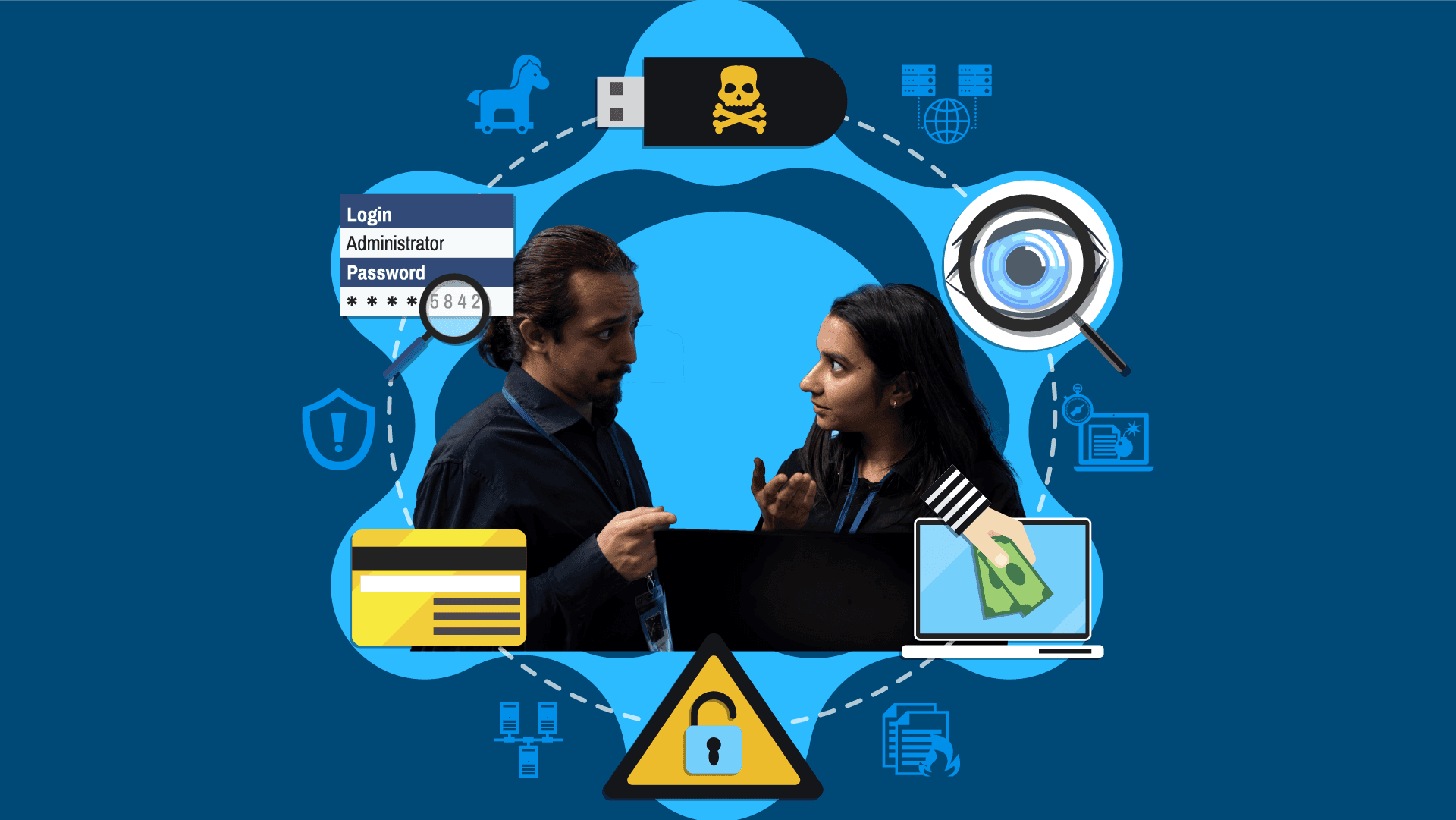
For ISPs, proactive threat monitoring and incident response are not just buzzwords but critical components of a robust security strategy.
Dawn Rorick, Lead Information Security Engineer
June 27, 2024 · 3 MIN · UPD JUN 16, 2026
Proactive threat monitoring and incident response are an ISP's early warning system: a continuous practice of detecting suspicious activity and responding fast, so an attack is contained before it becomes a catastrophic outage or breach.
In the ongoing battle against cyber threats, the ability to detect and respond to threats early can mean the difference between a minor inconvenience and a catastrophic event. For Internet Service Providers (ISPs), proactive threat monitoring and incident response are not just buzzwords but critical components of a robust security strategy. Think of them as your network's early warning system, designed to identify and neutralize threats before they can cause significant damage.
Continuous Monitoring: The Eyes and Ears of Your ISP Network
In the cybersecurity world, there's no such thing as "set it and forget it." Cyber threats are constantly evolving, and attackers are always on the lookout for new vulnerabilities. That's why continuous monitoring is essential. It involves constantly analyzing network traffic, logs, and system activity for any signs of unusual or suspicious behavior. This can include detecting unauthorized access attempts, unusual data transfers, or even changes in network performance that might indicate a DDoS attack in progress.
SIEM Systems: The Central Nervous System of Threat Detection
Security Information and Event Management (SIEM) systems are the central nervous system of your threat monitoring infrastructure. They collect and analyze log data from various sources, including firewalls, intrusion detection systems, and servers, to create a comprehensive picture of your network's security posture. By correlating data from different sources, SIEM systems can identify patterns of malicious activity that might otherwise go unnoticed. They can also generate real-time alerts, allowing your security team to respond quickly to potential threats.
Threat Intelligence: Knowing the Attacker's Playbook
Threat intelligence is like having a crystal ball that gives you a glimpse into the future of cyber threats. It involves gathering and analyzing information about emerging threats, attack patterns, and vulnerabilities. By leveraging threat intelligence feeds you can stay ahead of the curve, anticipate potential attacks, and proactively strengthen your defenses. Think of it as knowing your enemy's playbook before they even step onto the field.
Incident Response Protocols: Your ISP's Battle Plan
Even with the best defenses, no network is impenetrable. That's why having well-defined incident response protocols is crucial. Your Incident Response Plan (IRP) should outline the steps to be taken in the event of a security breach, from initial detection and containment to eradication, recovery, and post-incident analysis. By having a clear and practiced plan you can minimize the impact of a security incident and ensure a swift and coordinated response.
Cybersecurity Training and Drills: The Rehearsals
Just like a fire drill prepares you for a real fire, cybersecurity training and drills prepare your staff for a cyberattack. Regular training sessions should educate employees about the latest threats, social engineering tactics, and the importance of following security protocols. Simulated exercises can help your team practice their response to different scenarios, ensuring that they're ready to act decisively and effectively when a real incident occurs.
Frequently asked questions
What is proactive threat monitoring for an ISP?
It is the continuous practice of analyzing network traffic, logs, and system activity to spot suspicious behavior early, so threats can be neutralized before they cause significant damage. It pairs with an incident response plan to contain and recover from any breach.
How does a SIEM system help an ISP?
A SIEM system collects and correlates log data from firewalls, intrusion detection systems, and servers, surfacing malicious patterns that single tools would miss and generating real-time alerts so your security team can respond quickly.
Questions, answered.
What is proactive threat monitoring for ISPs?
Proactive threat monitoring acts as an ISP's early warning system, detecting and neutralizing threats before they cause significant damage. It relies on continuous monitoring that analyzes network traffic, logs, and system activity for unusual behavior.
Why do Internet Service Providers need continuous network monitoring?
Continuous monitoring watches network traffic, logs, and system activity for unusual behavior, including unauthorized access, abnormal data transfers, and signs of a DDoS attack. This lets an ISP spot problems early instead of reacting after damage is done.
How do SIEM systems help ISPs detect cyber threats?
SIEM systems collect and correlate log data from firewalls, intrusion detection systems, and servers to reveal malicious patterns. They generate real-time alerts so teams can respond to threats as they emerge.
What should be included in an ISP incident response plan?
A well-defined incident response plan covers detection, containment, eradication, recovery, and post-incident analysis. Together these steps help minimize the impact of a breach.
See it on the platform
20 minutes wired to your operation.
An ISP-only specialist walks Sonar through your specific use case. No generic deck, no horizontal SaaS pitch.
Book a meetingWritten by
Dawn RorickLead Information Security Engineer
Dawn Rorick is Lead Information Security Engineer at Sonar Software, writing about cybersecurity for ISPs, from DDoS and ransomware to compliance and threat monitoring.
All posts by Dawn Rorick